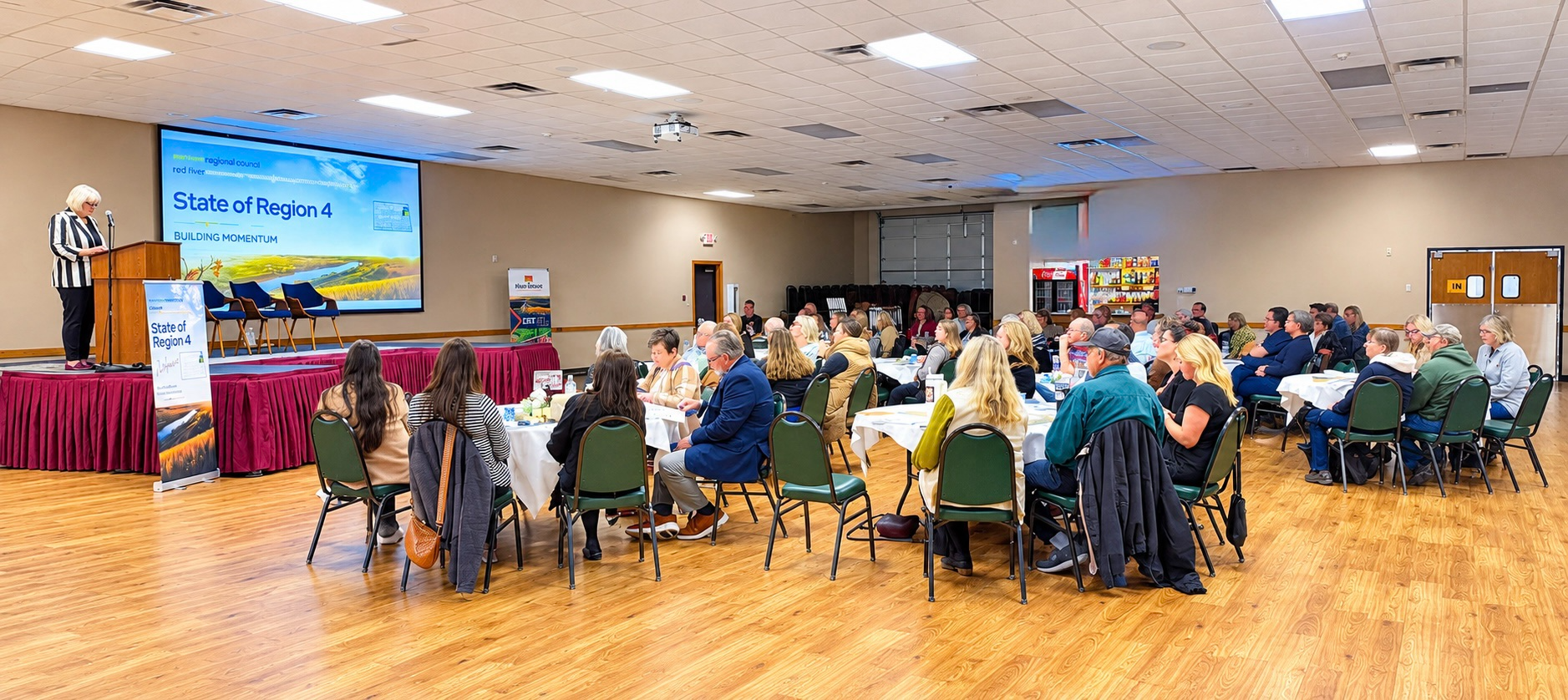
A “prairie fire of possibility” is building across Region 4 as communities invest in housing, save essential businesses, and create new opportunities. That momentum took center stage at the State of Region 4 gathering Oct. 28 at the Minto Community Center, where leaders described a region that is no longer waiting for someone else to solve its problems.
The evening connected local initiative with the regional capacity and state partnership needed to turn community ideas into lasting results — and it drew the largest crowd in the event’s three-year history.
What the region has built
Red River CHDO reported that its Spark Building Initiative, launched in 2024, had invested $8.7 million in 22 homes completed or under construction across nine Region 4 communities. Eight homes had sold, one was available for purchase, and 13 were under construction, three of them already under sales contracts.
Through the initiative, the CHDO serves as the developer, arranges financing, hires and pays builders, and sells the homes — an approach that reduces risk for builders and lenders while adding the housing communities need to recruit workers and grow.
The benefits reach existing residents too. In Larimore, one new home helped set five additional moves in motion within the community, opening opportunities throughout the local housing market.
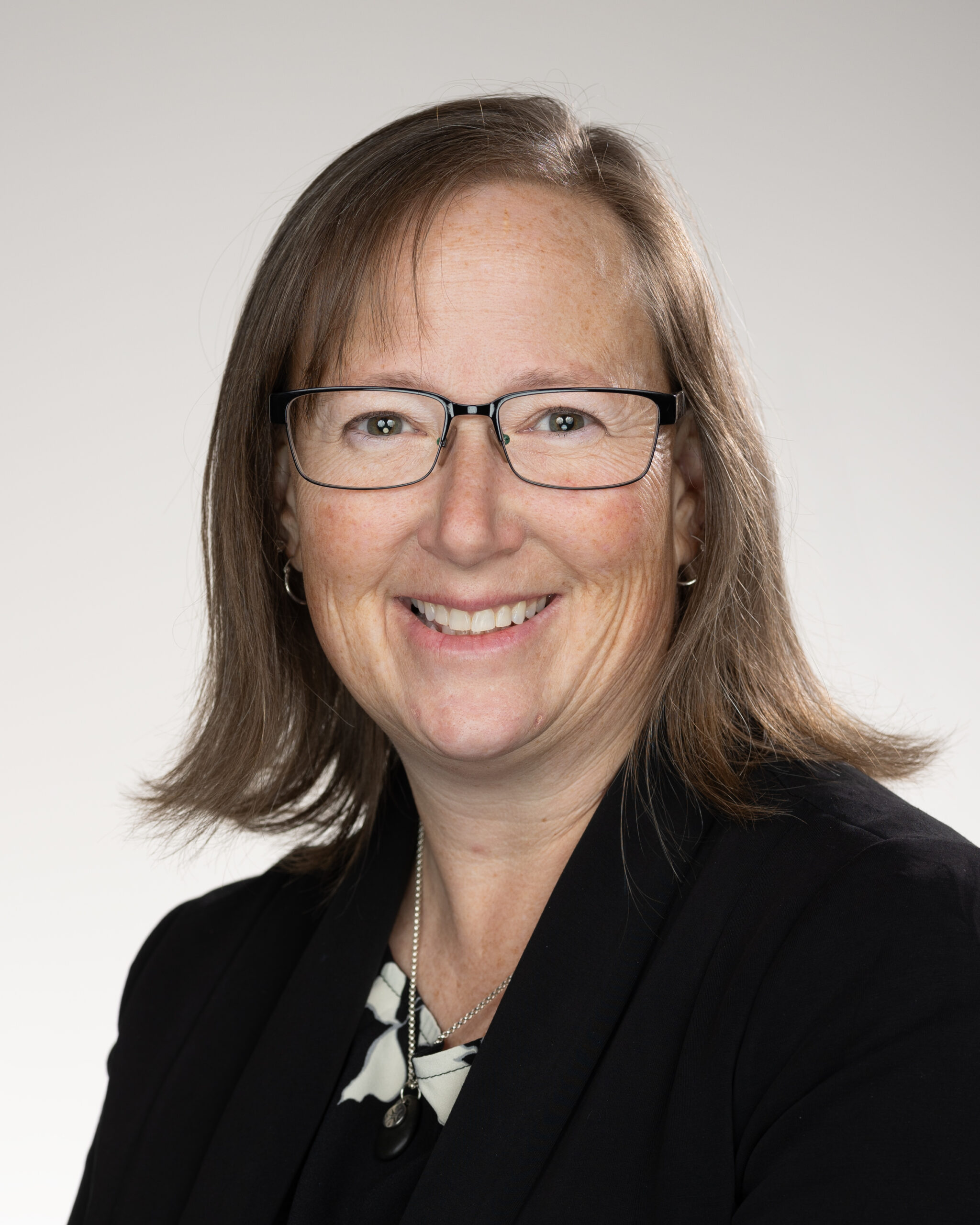
“One home can create movement throughout a community,” said Marcy Douglas, president of Red River CHDO. “We want to keep building, keep learning and give more communities the opportunity to participate.”
A major partnership for the next chapter
Leaders announced a five-year, multimillion-dollar commitment from the Bush Foundation to Red River CHDO. The partnership will provide operating support and flexible working capital to help the organization advance development projects and respond to opportunities across the region, and it supports Blueprint 2035, a multi-year strategy now under development by the CHDO and RRRC.
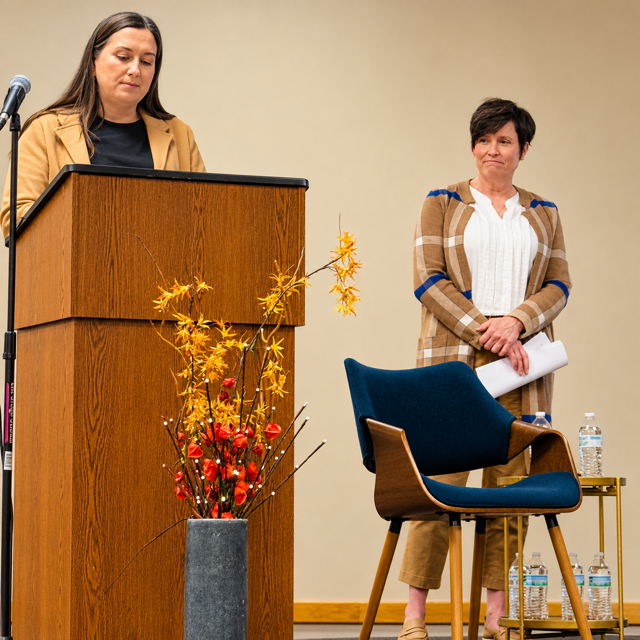
“We invest in great ideas and the people who power them,” said Lyndsay Ulrickson, grantmaking officer at the Bush Foundation. “We believe in the Spark Building model and, more importantly, the people behind this work. Lisa Rotvold, Dawn Mandt and their entire team bring an intentional, people-powered approach to community change. Their deep relationships are essential to long-term success.”
Blueprint 2035 will align with One Region 2035, RRRC’s forthcoming regional economic development planning effort beginning in 2027. Together, the two will connect community priorities with regional strategies and resources.
Local commitment and regional support
Throughout the evening, leaders emphasized how community initiative and regional support work together. In Crystal, residents raised more than $200,000 to save the community’s convenience store and café. RRRC and the Pembina County Job Development Authority helped develop a sustainable plan and connected that local investment with a state rural grocery grant, enabling the Crystal Booster Club to purchase the business and lease it to an operator.
“Our communities are already creating sparks,” said Amy Suda, president of RRRC. “Our job is to connect with them, nurture them and help them grow.”
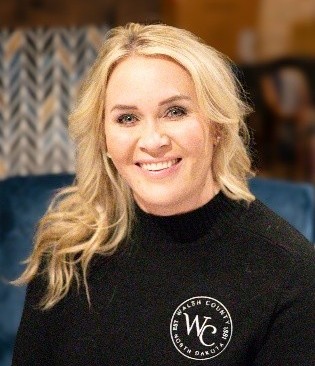
Participants also discussed sustaining essential local services amid fiscal pressures, explored housing development challenges, and considered philanthropy’s role in regional growth. The program recognized the Walsh County Childcare Center with the Economic Development Association of North Dakota’s Community Development Award.
Looking to 2027
With the 2027 legislative session ahead, event leaders identified continued investment in regional development capacity, rural housing, roads and bridges, and philanthropy incentives as priorities. They noted that the state’s Housing Incentive Fund — including the $5 million set aside for single-family housing development in small towns — is out of funds for the biennium, leaving a full pipeline of projects without construction contracts until the legislature acts. They also emphasized that rural transportation networks serve agricultural producers, businesses and markets well beyond individual county boundaries.
“Since our inaugural State of Region 4 in 2024, we have been working to build on the momentum our communities are creating,” said Dawn Mandt, RRRC executive director. “It takes people, expertise and partnerships to turn opportunities into funded projects. This next chapter is about bringing those pieces together so more communities can move forward.”
A recording of the event will be shared soon.
